que no puedo comer si tengo reflujo gastroesofagico ¿qué debo y que no debo comer si tengo gastritis?
Having gastroesophageal reflux disease (GERD) can be quite challenging when it comes to choosing the right foods to eat. The condition causes stomach acid to flow back into the esophagus, leading to uncomfortable symptoms such as heartburn, chest pain, and regurgitation. However, with a bit of planning and knowledge, it is possible to find relief by making careful dietary choices.
What to Eat
When dealing with GERD, it is generally recommended to opt for foods that are low in acidity and won’t trigger a reflux episode. Eating smaller, more frequent meals throughout the day can also help prevent stomach acid from building up. Some suitable food choices include:
Fish and Poultry
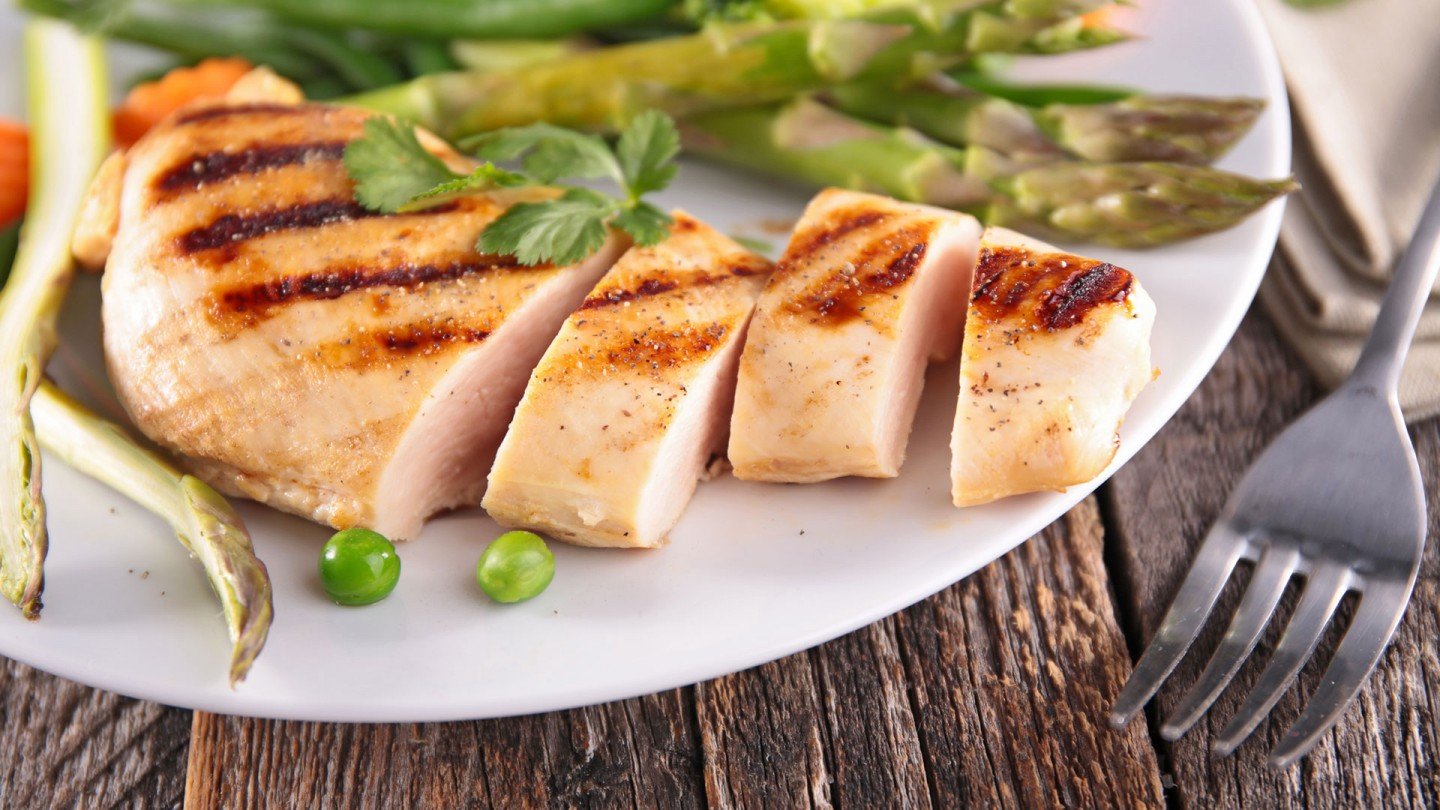
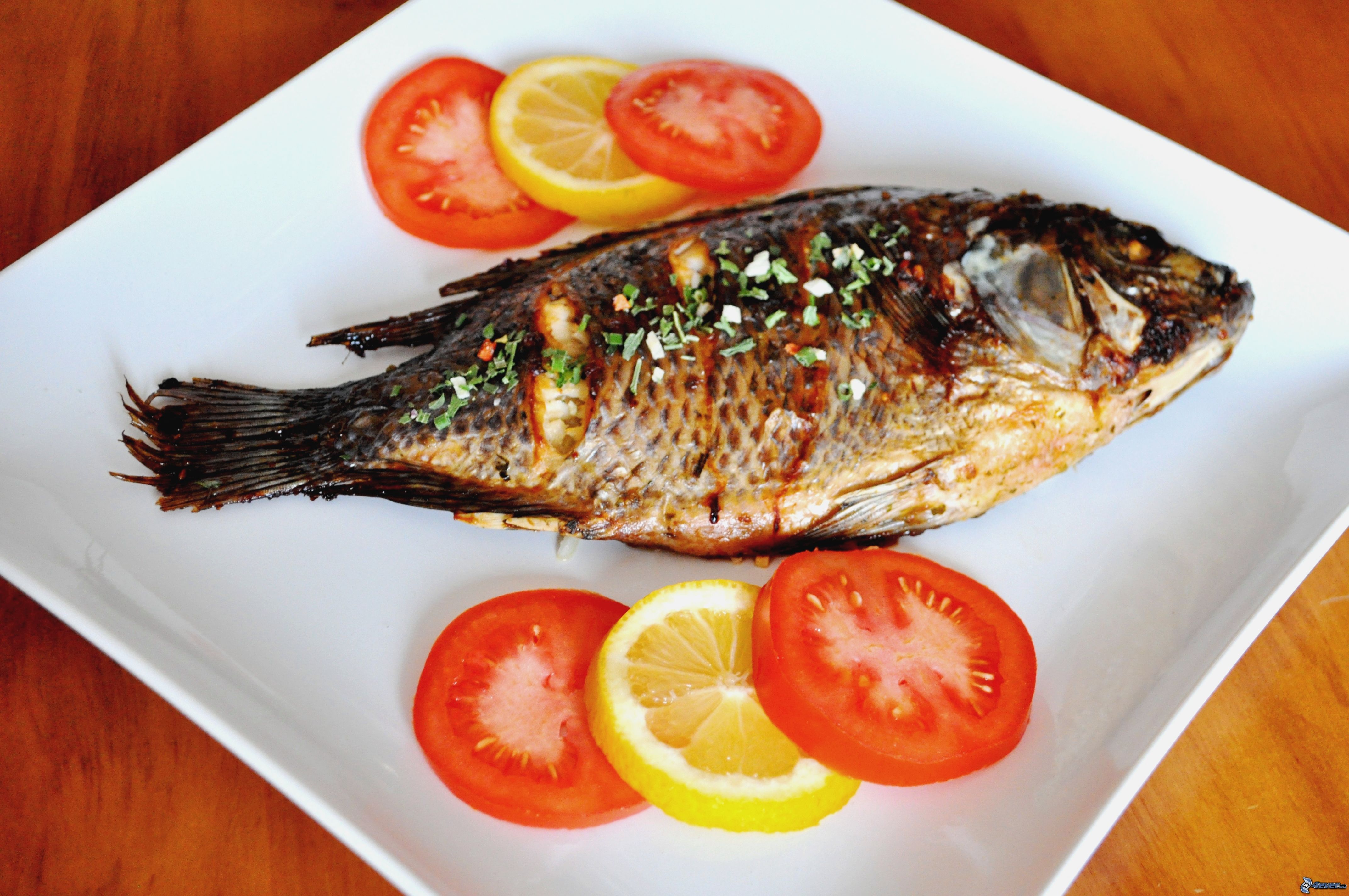 Lean meats such as fish and poultry are excellent sources of protein and are typically well-tolerated by individuals with GERD. When preparing these meats, it is best to avoid frying them as this can increase their fat content. Instead, try grilling, baking, or steaming them to keep them healthy and flavorful.
Non-Citrus Fruits
When it comes to fruits, it’s best to avoid those that are highly acidic as they have the potential to trigger acid reflux. However, non-citrus fruits such as bananas, apples, pears, and melons are generally safe to consume. These fruits provide essential vitamins and minerals while keeping GERD symptoms at bay.
Vegetables
Most vegetables are low in acidity and can be enjoyed as part of a GERD-friendly diet. Options like leafy greens, broccoli, cauliflower, asparagus, and cucumbers are rich in nutrients and help maintain a healthy digestive system. However, it is important to avoid adding high-fat dressings or sauces that can exacerbate symptoms.
Whole Grains
Whole grains such as oatmeal, brown rice, and whole-wheat bread are excellent sources of fiber and offer a plethora of health benefits for individuals with GERD. These foods help regulate digestion and reduce the risk of heartburn. However, it is essential to avoid high-fat or heavily seasoned grain products like croissants or biscuits.
What to Avoid
While it is crucial to focus on the foods that can help alleviate GERD symptoms, it is equally essential to be aware of the foods that can trigger and worsen the condition. Some items to avoid include:
High-Fat Foods
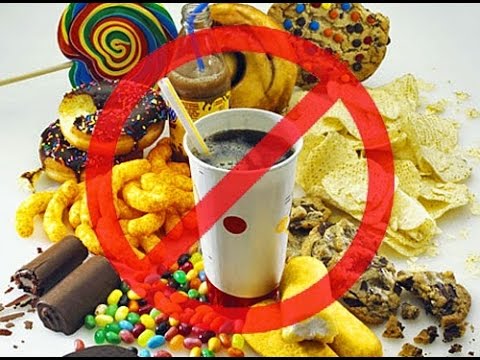
Foods that are high in fat content can contribute to the relaxation of the lower esophageal sphincter, a muscle that prevents acid from flowing back into the esophagus. This can lead to increased acid reflux and discomfort. It is best to steer clear of fried foods, fatty cuts of meat, and full-fat dairy products.
Spicy Foods
Spicy foods can cause irritation to the stomach lining and worsen GERD symptoms. Dishes that contain chili peppers, hot sauces, garlic, onions, and other strong spices should be avoided or consumed in moderation.
In conclusion, managing GERD through dietary choices can significantly improve symptoms and enhance overall well-being. By opting for low-acidity foods such as lean meats, non-citrus fruits, vegetables, and whole grains, individuals with GERD can find relief and enjoy a more comfortable lifestyle.
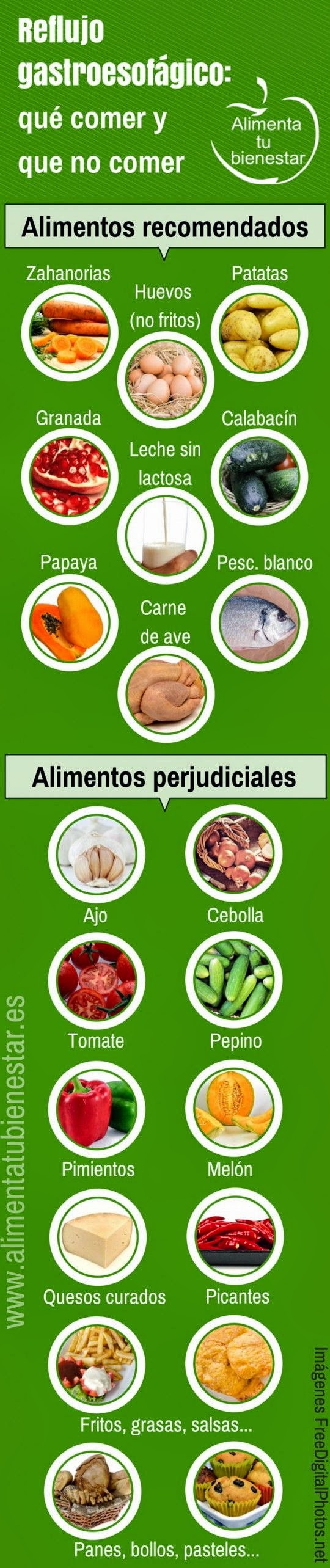 Reflex Gastroesophageal - What Not to Eat
GERD, or gastroesophageal reflux disease, can cause discomfort and disrupt daily life. One way to manage the condition is by being cautious about the foods consumed. Here are some foods to avoid:
Acidic Fruits
Fruits that are highly acidic, such as oranges, lemons, grapefruits, and tomatoes, can irritate the esophagus and increase acid reflux symptoms. Limiting or avoiding these fruits can help reduce discomfort and improve overall well-being.
Caffeinated Beverages
Caffeinated drinks like coffee, tea, and soda can relax the lower esophageal sphincter and contribute to acid reflux. Limiting or avoiding these beverages can be beneficial for individuals with GERD.
Carbonated Drinks
Carbonated beverages, including sparkling water and soda, can lead to increased bloating and belching, which can exacerbate acid reflux symptoms. Opting for still water or herbal tea can be a better choice.
Mint and Chocolate
While mint and chocolate are beloved flavors for many, they can relax the lower esophageal sphincter and contribute to acid reflux. Limiting or avoiding these flavors can help manage GERD more effectively.
It’s important to note that while certain foods should generally be avoided or limited for individuals with GERD, everyone’s triggers and tolerance levels can vary. Consulting with a healthcare professional or a registered dietitian can provide personalized guidance and create an optimal diet plan for managing GERD symptoms.
By being mindful of the foods consumed and making dietary adjustments accordingly, it is possible to reduce acid reflux symptoms and enjoy a more comfortable life.
If you are looking for ¿Qué debo y que no debo comer si tengo gastritis? - YouTube you’ve visit to the right web. We have 5 Pictures about ¿Qué debo y que no debo comer si tengo gastritis? - YouTube like ¿Qué debo y que no debo comer si tengo gastritis? - YouTube, Mi pequeños aportes: Reflujo gastroesofágico - Que comer y que no comer. and also ¿Qué debo y que no debo comer si tengo gastritis? - YouTube. Here you go:
¿Qué Debo Y Que No Debo Comer Si Tengo Gastritis? - YouTube
 www.youtube.comque comer gastritis tengo si debo
Mi Pequeños Aportes: Reflujo Gastroesofágico - Que Comer Y Que No Comer.
sebafabian.blogspot.comQué Comer Si Tengo Reflujo Gastroesofágico
 okdiario.com¿Qué Alimentos No Puedo Comer Si Tengo Acidez Gástrica? | Cómo Curar La
 swiki.netQué Comer Si Tengo Reflujo Gastroesofágico
okdiario.comMi pequeños aportes: reflujo gastroesofágico. ¿qué debo y que no debo comer si tengo gastritis?. Que comer gastritis tengo si debo